
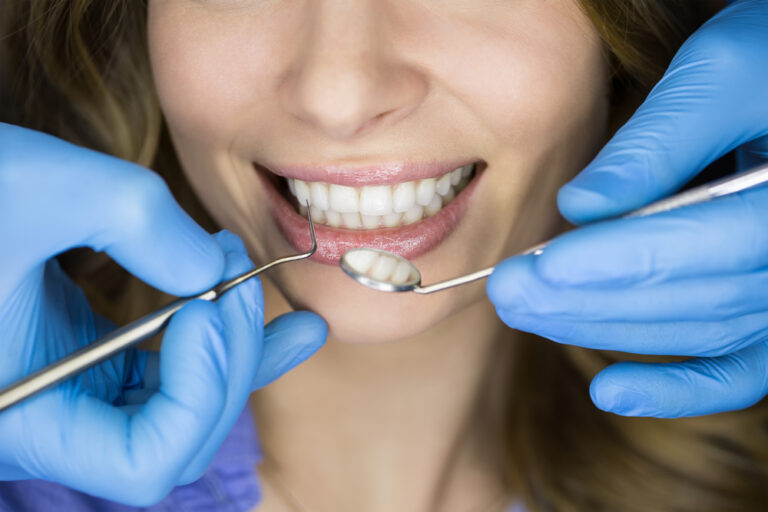
A bright, white smile has become synonymous with health, success, and confidence in modern society. This cultural emphasis has spawned an entire industry of whitening products, treatments, and promises—some legitimate, others less so. Understanding what actually works, what’s safe, and what’s simply marketing hype can help you make informed decisions about brightening your smile.
Before exploring whitening solutions, it’s important to understand why teeth lose their brightness in the first place. Tooth discoloration occurs through two primary mechanisms: extrinsic staining, which affects the outer enamel surface, and intrinsic staining, which occurs within the tooth structure itself.
Extrinsic stains develop from everyday exposure to pigmented foods and beverages. Coffee, tea, red wine, and dark berries are common culprits, along with tobacco use. These substances contain chromogens—intensely pigmented molecules that attach to tooth enamel over time. The good news is that extrinsic stains typically respond well to various whitening approaches.
Intrinsic discoloration presents a more complex challenge. This type of staining originates from within the tooth structure and can result from factors like certain medications during tooth development, excessive fluoride exposure, or trauma to the teeth. Intrinsic stains often require more aggressive professional intervention and may not respond as dramatically to over-the-counter products.
Effective teeth whitening relies on chemistry, specifically the use of peroxide-based compounds. These agents work by breaking down stain molecules into smaller, less pigmented pieces through a process called oxidation. When applied to teeth, the peroxide penetrates the enamel and begins breaking apart the bonds that hold stain molecules together.
The concentration of whitening agents varies significantly between products and treatments. Professional treatments available at a dental clinic typically use higher concentrations than over-the-counter options, which explains their more dramatic and rapid results. However, higher concentration doesn’t automatically mean better results for everyone—it also increases the potential for tooth sensitivity and gum irritation.
Time also matters in the whitening equation. The longer whitening agents remain in contact with teeth, the more opportunity they have to break down stains. This is why some treatments require extended application periods while others work more quickly with stronger concentrations.
Professional whitening treatments offer the most predictable and dramatic results. When you visit a dental clinic for whitening, you benefit from clinical-strength products applied under controlled conditions by trained professionals. This approach minimizes risks while maximizing effectiveness.
In-office whitening treatments typically begin with a thorough cleaning to remove surface debris and plaque. The dental professional then applies a protective barrier to your gums before placing the whitening agent on your teeth. Some systems use special lights or lasers to activate the whitening compound, though research on whether these light-activation systems significantly improve results remains mixed.
The advantages of professional whitening extend beyond just stronger products. Dental professionals can identify issues that might complicate whitening, such as cavities, gum disease, or existing dental work that won’t respond to whitening agents. They can also customize treatment to address your specific concerns and tooth sensitivity levels.
Take-home kits provided by a dental clinic offer a middle ground between professional in-office treatments and over-the-counter products. These kits include custom-fitted trays that ensure even application and prevent the whitening gel from irritating your gums. While results take longer to achieve than in-office treatments, many people appreciate the convenience and control of whitening at home with professional-grade materials.
The market overflows with whitening toothpastes, strips, gels, and rinses, each promising a brighter smile. The reality is more nuanced than advertising suggests. Many over-the-counter products do provide legitimate whitening effects, but the results are generally more modest than professional treatments and require consistent, prolonged use.
Whitening toothpastes work primarily through mild abrasives that polish away surface stains. Some also contain low concentrations of peroxide for an additional whitening effect. These products can be effective for maintaining brightness or addressing minor surface staining, but they won’t dramatically change your tooth color. The abrasive nature of some whitening toothpastes also raises concerns about enamel wear with long-term use.
Whitening strips have gained popularity as a convenient at-home option. These thin, flexible strips coated with peroxide gel adhere to teeth for a specified time period. When used as directed, strips can produce noticeable whitening, though results vary based on tooth color, stain type, and individual response. The challenge with strips lies in achieving even coverage, particularly on crooked or crowded teeth.
Whitening pens and gels offer portability and ease of use but typically deliver the most modest results. The brief contact time and lower concentrations limit their effectiveness compared to other options. These products work best for maintaining existing whiteness or addressing very minor discoloration.
Internet searches reveal countless “natural” whitening remedies, from oil pulling to activated charcoal to baking soda paste. While some of these approaches have legitimate oral health benefits, their whitening effects are often overstated or potentially harmful.
Activated charcoal has become trendy in recent years, with proponents claiming it absorbs stains and toxins. While charcoal’s abrasive nature may remove some surface staining, it can also damage tooth enamel over time. Currently, no substantial scientific evidence supports charcoal as an effective or safe whitening method.
Baking soda does have mild whitening properties due to its gentle abrasiveness, and it’s actually included in many commercial toothpastes. However, using baking soda alone lacks the fluoride and other protective ingredients found in regular toothpaste. It should be used sparingly and not as a complete replacement for conventional oral care.
Oil pulling—swishing oil in your mouth for extended periods—has roots in traditional medicine. While some people report various oral health benefits, scientific research doesn’t support oil pulling as an effective whitening method. Any perceived brightening likely results from removing some surface debris rather than actual whitening.
Strawberries, lemon juice, and apple cider vinegar are sometimes promoted as natural whitening agents. These acidic substances can temporarily make teeth appear brighter by eroding a thin layer of enamel, but this damage is precisely what you want to avoid. Acid erosion weakens teeth and actually makes them more susceptible to staining over time.
Realistic expectations are crucial for satisfaction with any whitening approach. No treatment can permanently maintain perfectly white teeth—ongoing exposure to staining agents and natural aging processes continue regardless of whitening efforts. Maintenance is necessary to preserve results.
Tooth sensitivity is the most common side effect of whitening treatments. The peroxide compounds temporarily increase tooth porosity, allowing stimuli to reach the nerve more easily. This sensitivity typically resolves within a few days after treatment ends, though some people experience prolonged discomfort. Using desensitizing toothpaste before and after whitening can help minimize this effect.
Gum irritation can occur if whitening products contact soft tissues. Professional treatments at a dental clinic include protective barriers to prevent this issue, but at-home users must carefully follow instructions to avoid gel leakage onto gums.
It’s important to understand that existing dental work won’t respond to whitening treatments. Crowns, veneers, fillings, and bonding maintain their original color, which can create mismatched shades after whitening natural teeth. Discussing these considerations with your dental clinic before beginning treatment helps avoid disappointment.
Preserving whitening results requires ongoing attention to oral hygiene and lifestyle factors. Regular brushing and flossing remove surface stains before they set in. Using a straw when drinking staining beverages minimizes contact with front teeth.
Timing matters too. Rinsing your mouth with water after consuming staining foods or drinks dilutes pigments before they attach to enamel. Waiting to brush immediately after acidic foods or drinks prevents brushing away softened enamel.
Regular visits to your dental clinic for professional cleanings help maintain brightness by removing accumulated surface stains and plaque that home care misses. These appointments also allow dental professionals to monitor your oral health and recommend touch-up treatments when needed.
Choosing a whitening approach depends on multiple factors: your budget, time constraints, sensitivity concerns, and desired results. Professional treatments at a dental clinic offer the most dramatic and predictable outcomes but come with higher costs. Over-the-counter options provide more modest improvements at lower price points.
Consulting with dental professionals before beginning any whitening regimen ensures you’re making safe, effective choices for your specific situation. They can assess your oral health, identify any contraindications, and recommend approaches most likely to achieve your goals without complications.
Remember that a white smile is just one aspect of oral health. Prioritizing comprehensive dental care—including regular checkups, proper brushing and flossing, and addressing any underlying issues—creates a foundation for both beauty and function.
Ready to achieve the bright, confident smile you deserve? Schedule your whitening consultation at our dental clinic today and discover which treatment option is right for you. Call us or book online to get started.
Whitening results vary significantly based on the treatment method, lifestyle habits, and individual factors. Professional treatments generally last several months to a couple of years with proper maintenance, while over-the-counter products often require more frequent use. Avoiding staining foods and drinks, maintaining good oral hygiene, and scheduling regular dental cleanings help extend results.
Teeth whitening is generally safe when used appropriately, but it’s not suitable for everyone. Individuals with sensitive teeth, receding gums, or certain dental conditions should consult a dental clinic before whitening. Pregnant or nursing women are usually advised to postpone treatment, and children or teenagers with developing teeth should wait until their permanent teeth are fully formed.
Several factors can limit whitening effectiveness. Intrinsic stains from medications or trauma may not respond to surface treatments. Some teeth naturally have darker dentin that shows through even after whitening. Dental restorations do not change color with whitening. Inconsistent application or expired products can also reduce results. A dental clinic evaluation can identify the cause and recommend alternatives.
When used correctly, peroxide-based whitening products approved by dental associations do not permanently damage enamel. However, overuse or misuse can cause temporary sensitivity or increased porosity. Abrasive whitening products and acidic natural remedies pose greater risks to enamel. Following product instructions and seeking professional guidance helps minimize these risks.